

How to use it
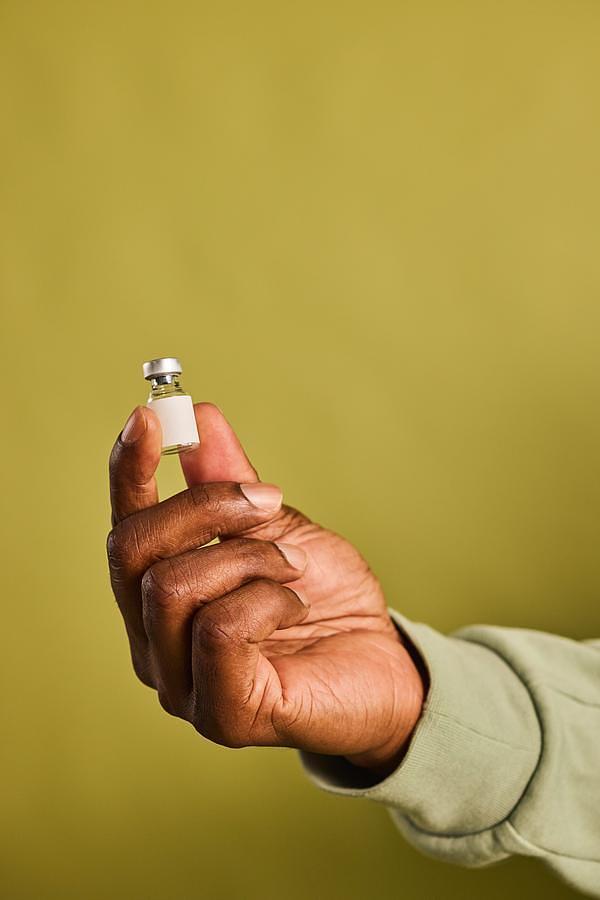
Compounded tirzepatide is self-administered as a once-weekly subcutaneous (under-the-skin) injection, typically in the abdomen, thigh, or upper arm. Rotate injection sites week to week to minimize skin irritation. Your Found care provider will walk you through administration technique, storage, and disposal at your first visit — and your Found care team is available between visits if questions come up.
Dosing
Compounded tirzepatide typically starts at 2 mg once weekly for the first four weeks. Dosage is increased based on how you're tolerating the medication and how your body is responding, following this schedule: 2 mg, 4 mg, 6.5 mg, 9 mg, 11 mg, and 13 mg. The goal is to reach the lowest effective dose for you — not necessarily the highest. Your Found clinician adjusts your schedule based on your results and any side effects you experience. Please also follow the dispensing instructions included with your medication.
Side effects
Commonly reported side effects include:
- Nausea
- Constipation
- Diarrhea
- Vomiting
- Decreased appetite
- Stomach (abdominal) pain
- Indigestion
Other potential side effects:
- Fatigue
- Belching
- Heartburn
- Bloating
- Hair loss
- Gastroesophageal reflux disease
- Injection site reactions
GI side effects are most common in the first few weeks and during dose increases. They tend to subside as your body adjusts. Found's gradual titration protocol is specifically designed to minimize early side effects. If you're struggling, your Found clinician can slow your dose increase or make other adjustments — don't stop the medication without checking in first. For a complete list of side effects, review the dispensing instructions provided with your medication.
Serious side effects — seek medical attention if you experience any of the following:
- Pancreatitis — severe abdominal pain, possibly radiating to your back, with or without vomiting. Stop taking tirzepatide and contact your provider immediately if this occurs.
- Gallbladder disease — symptoms may include upper abdominal pain, fever, or yellowing of the skin or eyes (jaundice). Gallstones and inflammation of the gallbladder have been reported with tirzepatide use.
- Acute kidney injury — nausea, vomiting, and diarrhea can cause dehydration, which may affect kidney function. Stay well hydrated, especially during the early weeks of treatment or during dose increases. Contact your provider if you notice decreased urination or swelling.
- Hypersensitivity reactions — serious allergic reactions have been reported. Seek emergency medical care immediately if you experience a rash, itching, swelling of the face or throat, difficulty breathing, or a rapid heartbeat.
Black Box Warning
Tirzepatide carries a black box warning for the risk of thyroid C-cell tumors, based on findings in rodent studies. Whether this risk applies to humans is not established, but the warning is required by the FDA.
Do not take tirzepatide if you have a personal or family history of medullary thyroid carcinoma (MTC) or multiple endocrine neoplasia syndrome type 2 (MEN 2).
Seek immediate medical attention if you develop a lump in your neck, unexplained hoarseness, difficulty swallowing, or persistent shortness of breath — these can be signs of thyroid abnormalities.
Precautions
Weight loss from tirzepatide can include both fat loss and muscle loss. Prioritizing strength training and eating adequate protein throughout your program helps preserve lean body mass.
If you take any oral medications — including birth control pills, thyroid medications, or oral antibiotics — tell your Found provider before starting tirzepatide. Slowed gastric emptying can affect how quickly oral medications are absorbed, which may change their effectiveness.
Do not take tirzepatide if you are pregnant, planning to become pregnant, or breastfeeding. Talk to your provider about how to transition off the medication safely if pregnancy is planned.
Inform any surgeon or anesthesiologist that you are on tirzepatide before any procedure requiring general anesthesia or deep sedation, as slowed gastric emptying can increase the risk of aspiration.
Interactions
Tirzepatide can interact with certain medications, including:
- Insulin and sulfonylureas — combination use raises the risk of hypoglycemia (low blood sugar); your Found provider may adjust dosing of these medications before prescribing tirzepatide.
- Oral contraceptives — tirzepatide slows gastric emptying, which may reduce the absorption and effectiveness of oral birth control pills. If you use oral contraceptives, consider switching to a non-oral contraceptive method (such as an IUD, patch, or implant), or use an additional barrier method (such as condoms) for at least 4 weeks after starting tirzepatide and for at least 4 weeks after each dose increase. Talk to your Found provider or OB-GYN about the best option for you.
- Other oral medications with narrow therapeutic windows — medications such as certain thyroid medications and oral antibiotics that depend on consistent gastric absorption timing may be affected. Always inform your provider of all medications you take.
- Other GLP-1 or GIP receptor agonists — these should not be used concurrently with tirzepatide.
Always share your full medication list — including supplements and over-the-counter drugs — with your Found provider before starting.


.png)

.png)